Lourmarin, France
Dear Stranger,
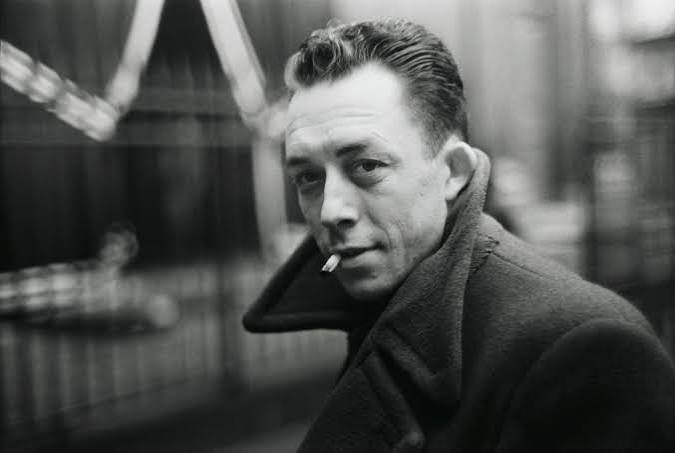
We first met when I was sixteen. You looked like Humphrey Bogart, with a cigarette dangling from your lips and a brooding gaze suggesting you’d seen things the rest of us couldn’t possibly understand. You were French, which only added to your appeal.
I was in eleventh grade, when sophistication was measured by how little you appeared to care. Enthusiasm was childish. Indifference, preferably accompanied by a turned-up collar and a French accent, was the height of cool.
You were practically a rock star.
I wish I could remember what I thought when I first read your book. Perhaps I admired your refusal to conform. Perhaps I pretended to understand you, as teenagers sometimes do when confronted with ideas beyond their experience. Or perhaps I simply liked being the kind of girl who read French existentialists.
What I remember more clearly is the smell of Aqua Net and hot lunch in the high school hallways, the metal lockers, the elaborate social hierarchies, and the devastating discovery that my boyfriend had been cheating on me with my best friend.

Apparently, everyone knew.
Well, almost everyone. I was the exception.
Some friends had tried to tell me, I later learned, but others had pressured them into silence. There were loyalties to preserve, friendships to protect, social consequences to consider. Telling the truth would have been uncomfortable. And so the truth remained a secret, at least from the person who most deserved to know it.
I took the boyfriend back a few months later. I knew what he had done, knew how much it had hurt, but I swallowed his promises of love and silenced the protest rising inside me.
Decades passed. I fell in love, married, divorced, fell in love again. I encountered men who spoke beautifully about commitment and fidelity, men who promised forever and struggled with the practical requirements of Tuesday.
Still, I held on to a stubborn conviction that people ought to be better.
I looked to books for guidance. Austen taught me to recognize vanity and self-deception. The Brontës showed me the fierce dignity of women who refused to surrender themselves. Baldwin insisted that we confront the truths we’d rather avoid.
Writers became my companions, my teachers, sometimes my sages. They seemed to understand the human heart better than the people who had broken mine.
And then there was you
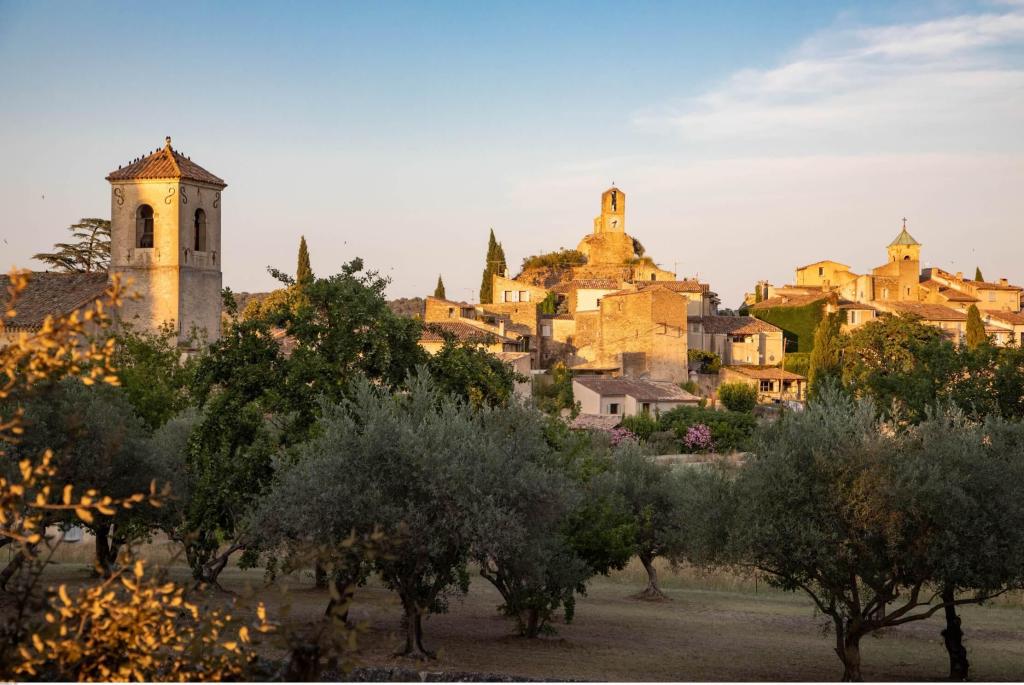
We met again in Lourmarin, a village in Provence where honey-colored stone houses huddle beneath terracotta roofs, cypress trees punctuate the hillsides, and the château rises above surrounding olive groves. I had come hoping that the place you called home might reveal something about the man behind the books.
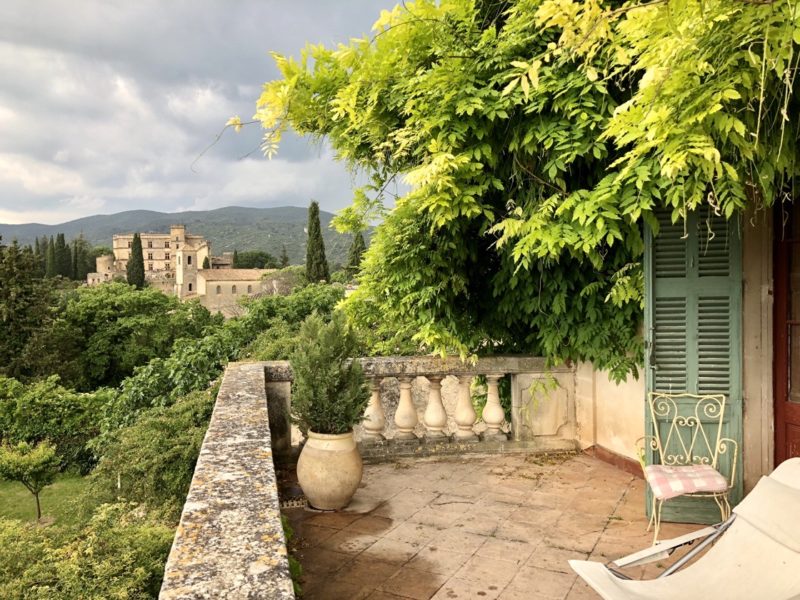
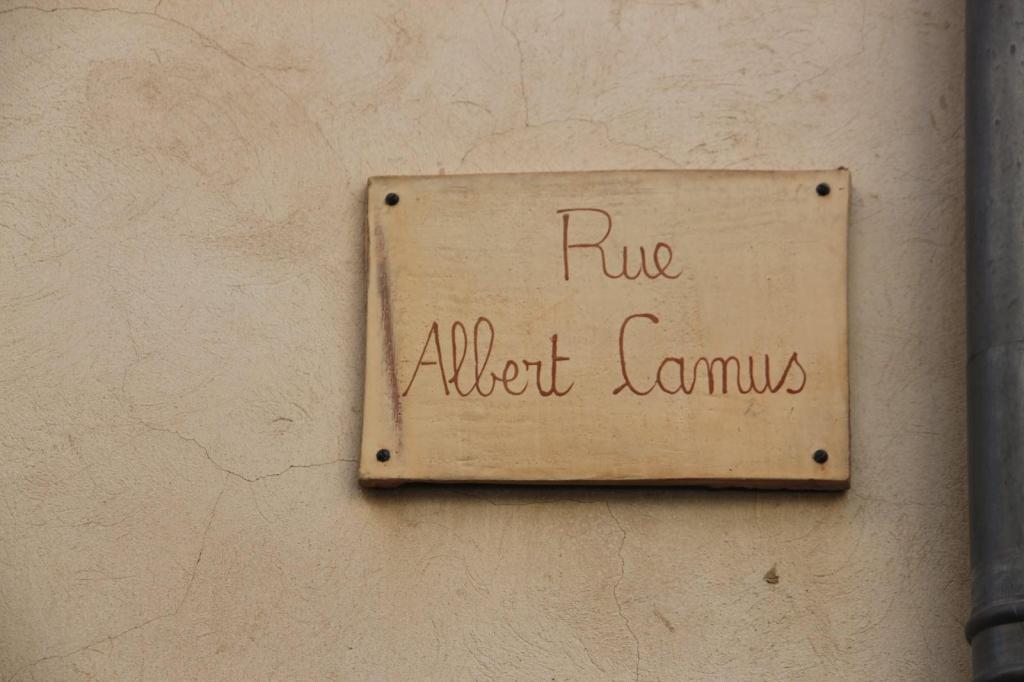
You had settled here in the final years of your life, buying a house on the rue de l’Église, a narrow street now bearing your name. From your terrace, wisteria spilled over the stone balustrade, framing a view of the château across the valley.
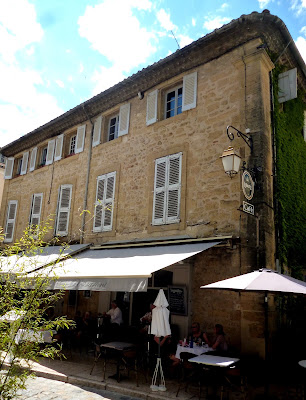
You had become a local fixture. At Restaurant Ollier, where you reportedly kept a favorite table, the servers called you Monsieur Terrasse. You drank at the Café de l’Ormeau, watched football matches, and enjoyed the rhythms of Provençal life.
I liked imagining you this way, not as a celebrated philosopher but as a neighbor, exchanging greetings in the square, lingering over a drink, discussing the latest village news.
I ate lunch at Bistro Gaby, just down the street from your old haunts, then explored the château, where your books lined the gift shop shelves. L’Étranger, La Peste, La Chute. There you were, multiplied in neat paperback rows, your name printed in red above the monochrome covers.
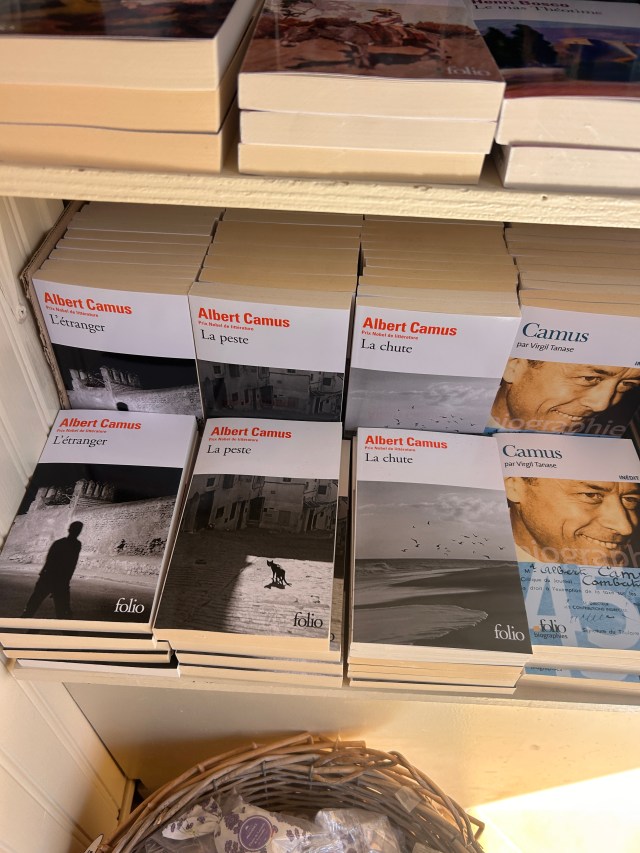
You had won the Nobel Prize in Literature, after all. My colleagues taught The Stranger to their college students. Surely you had something meaningful to offer.
I went to the tourist office to inquire about the walking tour devoted to your life.
Closed.
On Tuesdays, apparently, the universe does not dispense existential wisdom. I suppose you would have appreciated the irony.
Undeterred, I found my way to the cemetery, where your grave lay beneath a modest stone, nearly swallowed by greenery. Dry leaves and untidy plants spilled across its edges. Visitors had left pebbles, handwritten notes, dried flowers, and small personal offerings, including a girl’s hair tie.
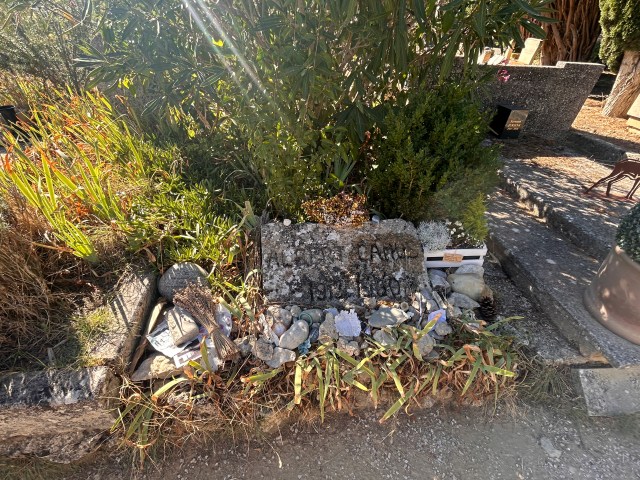
I wondered who had left it. A young admirer? Someone who had come to say goodbye? Perhaps a girl like the one I had been at sixteen, convinced that a handsome French philosopher might know something about life that she didn’t.
I stood before your grave, waiting for something to happen.
Nothing.
No mystical communion. No sudden insight into the mysteries of existence. No shiver of recognition or whisper from beyond.
Just a rock.
I had traveled thousands of miles to meet one of the twentieth century’s great philosophical minds, and you couldn’t even manage a decent epiphany. Perhaps this was your philosophy in action: a woman searching for answers, a universe declining to provide them.
It was only later, after returning home, that I began to investigate you more seriously.
And that, dear Stranger, is when our relationship deteriorated.
I revisited your famous novel, in which a man named Meursault attends his mother’s funeral without crying, pursues a romance without much feeling, and eventually shoots an unnamed Arab man on a beach. The sun is hot. The light is blinding. He pulls the trigger. Then he fires four more shots. I kept waiting for remorse. Horror. Some recognition that another human being had ceased to exist because of his actions. Instead, I encountered a man preoccupied with the heat, his physical discomfort, and the peculiar inconvenience of being alive.
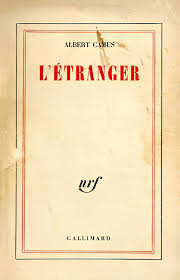
You seemed particularly interested in his refusal to pretend. Meursault would not manufacture grief, invent religious conviction, or profess feelings he did not experience. Society condemned him, in part, because he refused to perform the emotions expected of him.
But I wanted to interrupt. Excuse me, Albert. What about the dead man? Wasn’t his life more important than Meursault’s commitment to emotional authenticity?
I understood that you were exposing society’s hypocrisy, its tendency to judge people by appearances rather than actions. But I couldn’t understand why the murder victim barely mattered.
You didn’t even give him a name.
Yet you were hardly indifferent to human suffering. In The Plague, you imagined ordinary people risking their lives to protect others. In The Rebel, you examined the moral limits of rebellion and the obligations we owe one another. You wrote about solidarity, human dignity, and responsibility.
I might have left our disagreement on the pages of your novel. But then I began reading about your life.
Your wife, Francine, suffered a devastating depression in the 1950s, requiring psychiatric treatment. She attempted to take her own life. Your affairs, particularly your long relationship with the actress Maria Casarès, were among the sources of her anguish.
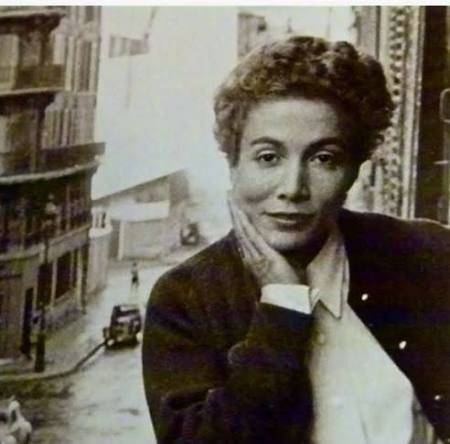
You wrote about the suffering of strangers, Albert. But what about the woman living in your own home?
Then it got worse. I discovered your final love letters.
In the last days of December 1959, from Lourmarin, you wrote affectionate letters to three different women. Tender declarations, expressions of longing, promises of reunion. To Maria, you announced your arrival in Paris on Tuesday, January 5. You were so happy at the prospect of seeing her that you laughed as you wrote.
Tuesday, Albert? Again with Tuesday?
You never made it. On Monday, January 4, the car carrying you back to Paris crashed into a tree. You were killed instantly.
Three women were left with your final words of affection.
Perhaps you meant every word.
Could you have loved them all sincerely? And what did sincerity mean if the women who trusted you were left to bear the consequences?
At sixteen, your aloofness had seemed romantic. At fifty-six, I found it exhausting. I no longer wanted the brooding rebel with the cigarette. I wanted the grown man who could put it out, come home, and keep his promises.
Peter Pan loses his appeal when you realize Wendy has been doing all the laundry.
And yet I couldn’t quite dismiss you. You had died before I was born, had never promised me anything, and still I found myself arguing with you as though you owed me an explanation.
I imagined us at the Café de l’Ormeau, a bottle of wine between us. You might have taken a drag of your cigarette, turned up your collar, and defended Meursault’s refusal to pretend, explained the contradictions of desire, argued that human beings were too complicated to be measured against tidy moral standards.
I would have listened. I might even have agreed with some of it. But I would have asked about the dead man, about Francine, about the women waiting for you in Paris. And this time, I wouldn’t have mistaken your eloquence for wisdom.
I think again of your grave in Lourmarin and the little hair tie left among the offerings. I picture the girl I once was, standing at her locker, trying to understand how the people she loved could deceive her, and why she had been so willing to doubt herself.
I wish I could tell her that one day she would travel to a small village in Provence, stand before a philosopher’s grave, and discover that the man she had come to question could not answer her.
She would learn to listen to her own voice.
Sincerely,
A Fellow Stranger
Further Reading
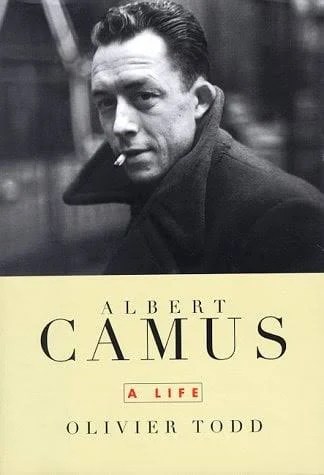
Todd, Olivier. Albert Camus: A Life. Translated by Benjamin Ivry, Alfred A. Knopf, 1997.
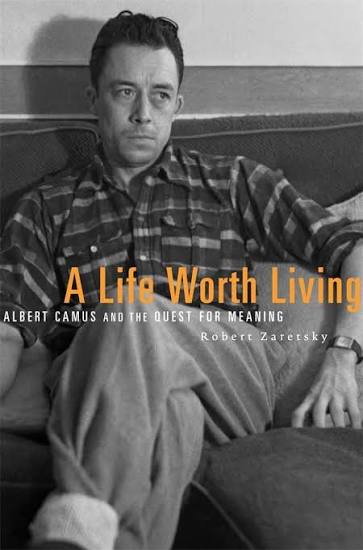
Zaretsky, Robert. A Life Worth Living: Albert Camus and the Quest for Meaning. Belknap Press of Harvard UP, 2013.
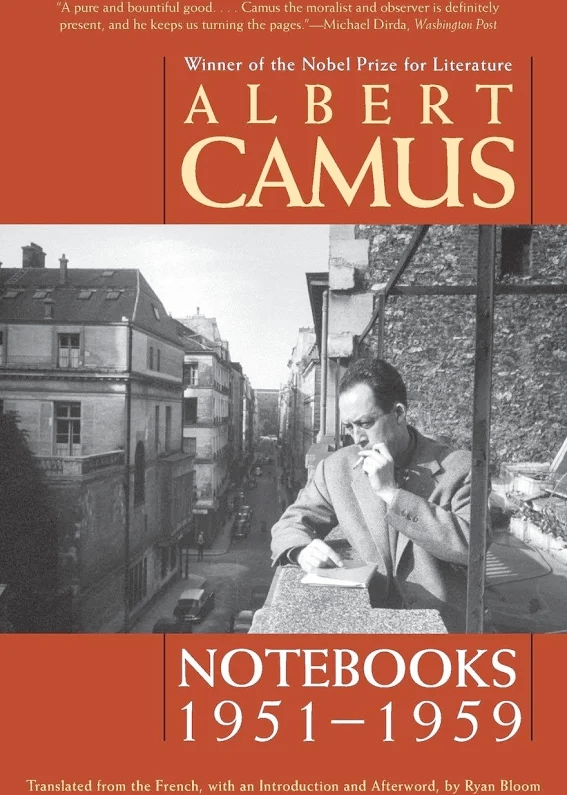
Camus, Albert. Notebooks, 1951–1959. Translated by Ryan Bloom, Ivan R. Dee, 2008.
Camus Quotes
“You will never be happy if you continue to search for what happiness consists of. You will never live if you are looking for the meaning of life.”
― Albert Camus“Live to the point of tears.”
― Albert Camus“In the midst of winter, I found there was, within me, an invincible summer.
And that makes me happy. For it says that no matter how hard the world pushes against me, within me, there’s something stronger – something better, pushing right back.”
― Albert Camus


ah, oui.
>
LikeLike